
How Weather Impacts Commercial Landscape Maintenance (and What Professionals Do About It)
- LM Lawns

- Feb 4
- 2 min read
Weather is one of the few variables in commercial landscape maintenance that no one can control—but it is one that must be managed correctly.
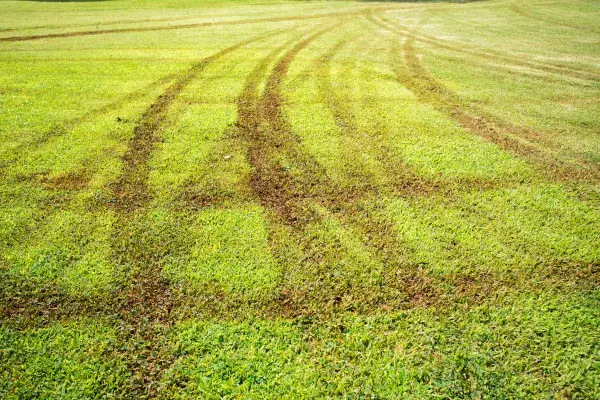
In South Texas, changing weather conditions can significantly affect scheduling, turf health, safety, and overall site appearance. Understanding how weather impacts landscape maintenance helps property managers evaluate vendor performance more accurately and avoid unnecessary frustration during challenging conditions.
1. Rainfall Affects More Than Scheduling
While rain is essential for healthy landscapes, excessive or poorly timed rainfall creates real challenges.
Heavy rain can lead to:
Saturated soils that cannot support equipment
Rutting and compaction damage
Turf tearing and root disruption
Safety hazards for crews and pedestrians
Professional landscape companies may delay service after rain to protect the property rather than risk long-term damage.
2. Soil Conditions Determine When Work Can Be Performed
Landscaping decisions are based on soil conditions—not just the calendar.
Wet soils:
Compact easily under equipment
Tear turf when turning mowers
Prevent proper trimming and edging
Professional providers assess ground conditions before servicing to avoid creating problems that require costly repairs later.
3. Extreme Heat Requires Adjustments
High temperatures are a defining feature of South Texas summers.
During extreme heat:
Turf growth slows or becomes stressed
Mowing heights may be raised
Service timing may shift earlier in the day
Appearance may temporarily decline
These adjustments are intentional and protect turf health during stressful periods.
4. Drought Conditions Change Maintenance Priorities
Extended dry periods affect both turf and plant material.
Drought impacts include:
Reduced turf growth
Increased stress on shrubs and trees
Increased reliance on irrigation systems
Greater risk of plant loss
Professional landscape companies focus on preservation rather than pushing unnecessary services during drought conditions.
5. Storms Create Safety and Access Concerns
Severe weather events can disrupt normal maintenance routines.
Storm-related issues include:
Debris across turf and hard surfaces
Downed limbs or damaged plant material
Flooded or inaccessible areas
Delayed service schedules
Professional providers prioritize safety assessments and property protection before resuming routine maintenance.
6. Why “Forcing Service” Often Causes Damage
Attempting to maintain a rigid schedule regardless of weather can cause more harm than good.
Forced service may result in:
Rutting and soil damage
Scalped turf
Equipment damage
Safety incidents
Professional landscape maintenance allows flexibility to preserve long-term site conditions.
7. Communication Is the Key Difference
What separates professional providers from the rest is how weather-related disruptions are communicated.
Property managers should expect:
Advance notice of delays when possible
Clear explanations of conditions
Updated service plans
Documentation of weather-related issues
This transparency builds trust and reduces frustration during unavoidable disruptions.
Final Thoughts
Weather will always influence landscape maintenance—but poor outcomes don’t have to follow.
Professional landscape companies adapt to conditions, prioritize safety and turf health, and communicate clearly with property managers throughout the process.
Understanding the role weather plays allows property managers to make better decisions, set realistic expectations, and protect the long-term performance of their properties.

Comments